November 5, 2026
Preparing your property for winter involves more than checking your heating system and protecting outdoor plumbing. Your roof also needs attention before colder temperatures, heavy precipitation, and seasonal storms arrive. Identifying existing damage early helps you address potential vulnerabilities before harsh weather makes them more difficult and expensive to repair.
A professional roof inspection provides a clearer understanding of your roofing system's condition and helps you plan necessary maintenance. By addressing minor concerns before winter arrives, you can protect your property, manage repair expenses, and reduce the likelihood of unexpected roofing emergencies.
Identify Existing Damage Before Winter Weather Arrives
Recognize Early Signs of Roofing Problems
Roofing materials experience ongoing exposure to sunlight, wind, precipitation, and temperature fluctuations. Over time, these conditions can cause shingles to crack, loosen, or deteriorate. Flashing around chimneys, vents, and other roof penetrations can also develop weaknesses that allow water to enter. Although some problems are visible from the ground, others require a closer professional assessment to identify accurately.
According to the National Association of Realtors, approximately four in 10 U.S. households have roofs rated in moderate or poor condition. This estimate highlights how many properties may need attention from roofers before seasonal weather puts additional stress on their roofing systems. Scheduling an inspection before winter allows homeowners to determine whether their roofs need maintenance, targeted repairs, or more extensive work.
Prevent Leaks and Moisture Damage
Small roofing defects can create significant problems when exposed to persistent rain, melting snow, or ice buildup. Water entering through damaged shingles or deteriorated flashing can affect attic insulation, ceiling materials, wall assemblies, and other interior components. Prolonged moisture exposure may also contribute to mold growth and wood deterioration, increasing the scope of necessary repairs.
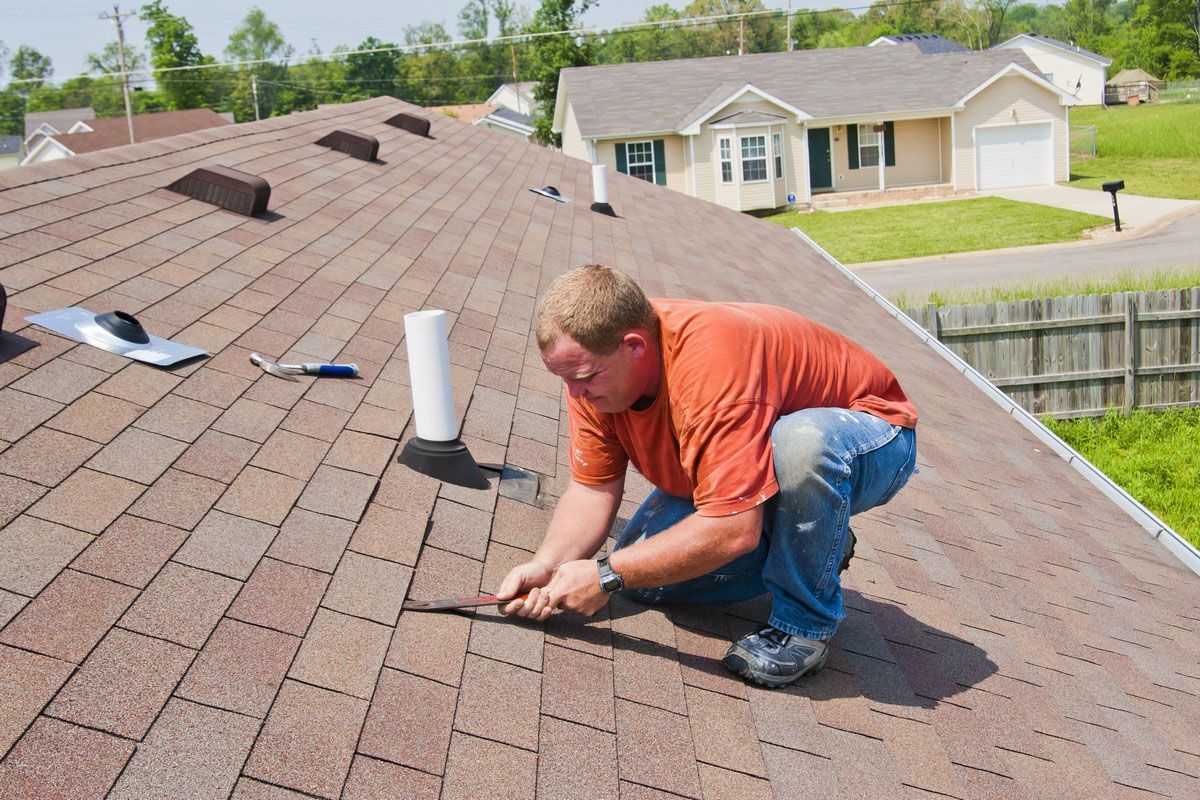
Experienced roofers can examine vulnerable areas and look for evidence of leaks or moisture intrusion before these issues spread. An inspection may include reviewing the condition of shingles, checking flashing connections, evaluating drainage pathways, and examining accessible structural components. Detecting these concerns early helps property owners prioritize corrective work before water damage affects additional parts of the building.
Evaluate Storm-Related Wear
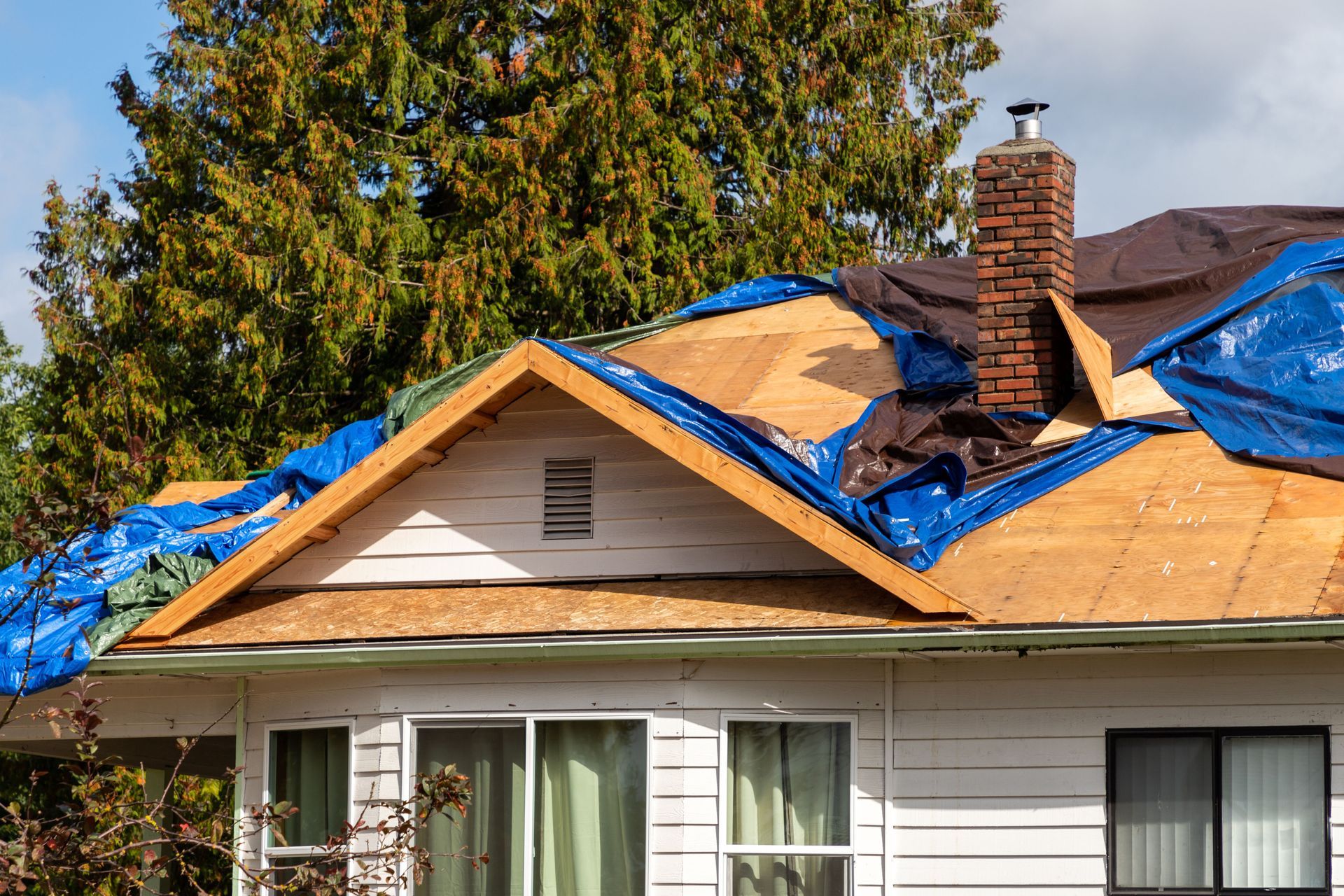
Wind and severe weather can leave roofing systems with loose materials, damaged flashing, displaced shingles, or other weaknesses. Some damage becomes apparent immediately after a storm, while less obvious problems may remain undetected until another weather event exposes them. Existing vulnerabilities can make a roof more susceptible to additional damage when winter conditions become severe.
A pre-winter inspection provides an opportunity to document visible storm damage and assess the overall condition of the roofing system. Professionals can identify areas that need attention and recommend appropriate repairs based on their findings. Addressing these issues before seasonal storms become more frequent helps maintain the roof's protective function and reduces the risk of avoidable damage.
Reduce Expenses Through Preventive Roof Maintenance
Address Minor Repairs Before They Escalate
Delaying roofing repairs can turn manageable maintenance needs into more extensive projects. For example, replacing a few damaged shingles may be relatively straightforward, but allowing water to penetrate the underlying materials can lead to additional work involving decking, insulation, or interior finishes. Repair costs can increase further when damage remains unnoticed until an emergency develops.
Scheduling an inspection gives property owners a chance to identify problems while they may still be relatively easy to correct. Professional roofers can explain which issues require immediate attention and which components can be monitored over time. This information helps homeowners allocate their maintenance budgets more effectively instead of reacting to unexpected failures during the winter months.
Coordinate Repairs Around Your Budget
Roofing projects can involve different levels of urgency and expense, depending on the materials involved, the extent of the damage, and the accessibility of affected areas. An inspection helps clarify the condition of the existing system so property owners can make informed decisions about the next steps. Rather than guessing which repairs might be necessary, homeowners receive recommendations based on an assessment of their roofs.
Detailed inspection reports can also help distinguish essential repairs from optional improvements. When a roof needs several types of work, a professional can explain which problems should be addressed first to protect the building. Planning ahead allows homeowners to compare estimates, consider available financing options when offered, and schedule appropriate services before winter-related demand limits their flexibility.
Maintain Warranty and Insurance Documentation
Roof inspections can provide useful records of a property's condition before and after significant weather events. Photographs, written findings, and repair recommendations establish documentation that may help homeowners communicate with insurers or roofing contractors when questions arise. These records can be particularly useful when investigating whether damage is recent or appears to have developed gradually.
Homeowners should also review their roofing material warranties and understand any applicable inspection or maintenance requirements. Roofers can help identify visible concerns and document completed work, although warranty coverage ultimately depends on the manufacturer's terms and the circumstances of a claim. Keeping organized records supports better maintenance planning and provides useful information when evaluating future repair needs.
Prepare Your Roofing System for Seasonal Conditions
Check Gutters, Drainage, and Flashing
A roof depends on more than shingles to manage precipitation effectively. Gutters and downspouts direct water away from the building, while flashing helps protect vulnerable transitions around chimneys, skylights, and roof penetrations. When these components become damaged, obstructed, or improperly secured, water may collect in unwanted areas or reach parts of the structure that should remain dry.
During a pre-winter inspection, roofers can evaluate visible gutter conditions, examine drainage pathways, and look for deteriorated flashing. They may also identify areas where accumulated debris or poor water flow could contribute to moisture problems. Correcting these concerns before winter helps the roofing system handle seasonal precipitation more effectively and protects surrounding exterior components from unnecessary water exposure.
Evaluate Ventilation and Structural Integrity
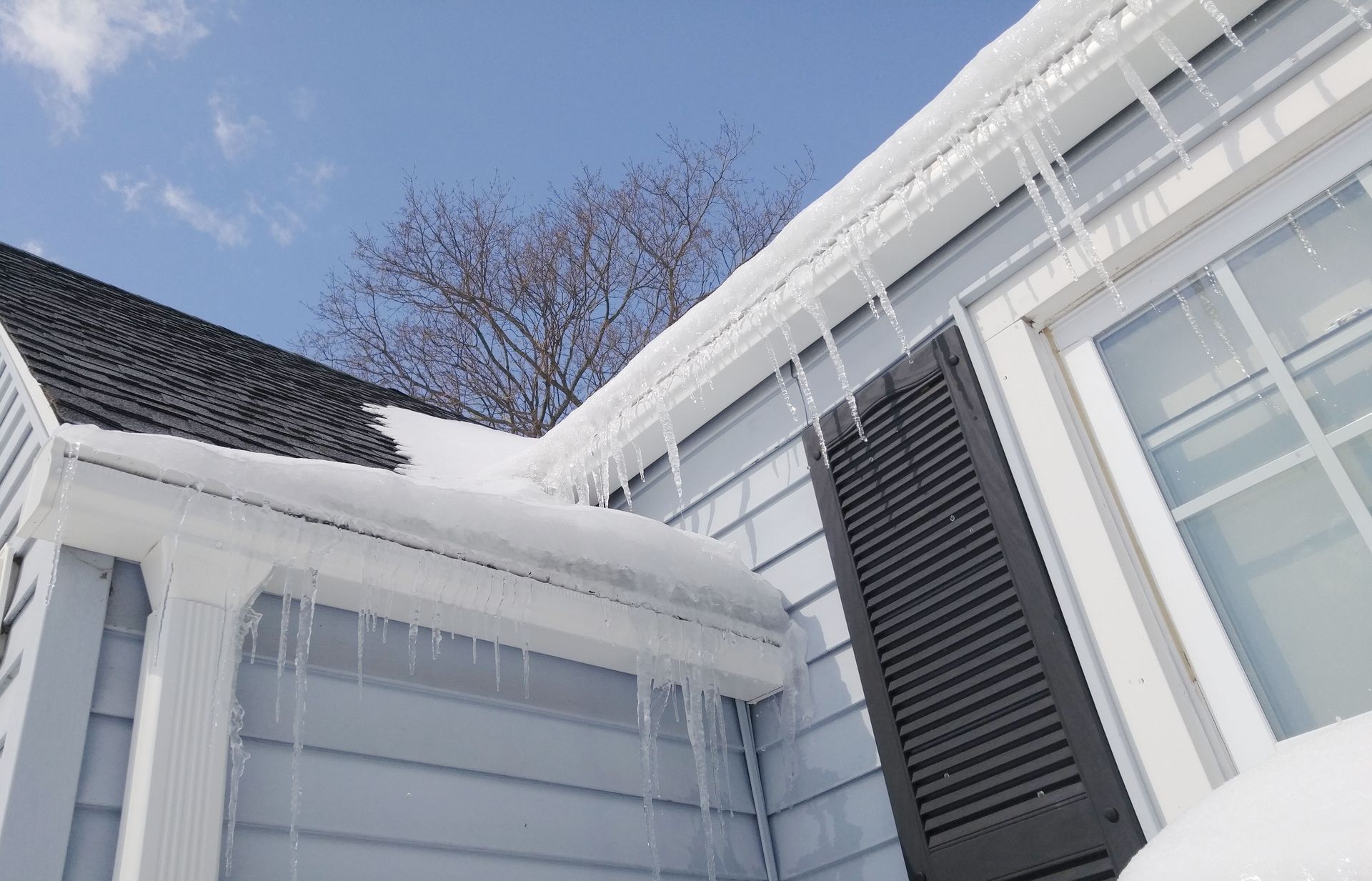
Attic ventilation plays an important role in managing moisture and temperature conditions beneath a roof. Inadequate ventilation can contribute to condensation, while uneven temperatures may increase the likelihood of ice dams under certain winter conditions. Ice dams can prevent melting snow from draining properly, allowing water to back up beneath roofing materials and potentially enter the building.
A comprehensive inspection can include evaluating accessible ventilation components and looking for signs of moisture accumulation or structural deterioration. Roofers may also assess visible sagging, damaged decking, or other indicators that warrant further investigation. Identifying these concerns before winter helps homeowners determine whether additional maintenance or repairs are necessary to support the roof's performance.
Schedule Professional Service Before Demand Increases
Winter weather can complicate roofing work by creating slippery surfaces, limiting access, and making certain repairs more difficult to complete safely. Some projects may need to be postponed when temperatures or weather conditions prevent proper installation or material performance. Scheduling an inspection in advance gives property owners more time to arrange necessary work while conditions remain suitable.
Professional roofers can evaluate hard-to-reach areas, document damage, and provide recommendations tailored to the property's needs. Some contractors also offer complimentary drone inspections, allowing them to assess roof surfaces without relying exclusively on direct physical access. A detailed report can help homeowners understand the roof's current condition, determine the urgency of repairs, and coordinate service before winter weather creates additional complications.
Regular inspections also support broader property maintenance goals. A well-maintained roof helps protect interior finishes, stored belongings, insulation, and structural components from moisture exposure. For commercial property owners, identifying roofing concerns early can also reduce disruptions that affect employees, customers, or daily operations.
Preparing your roof for winter is a practical way to protect your property and manage maintenance costs. A professional inspection helps identify vulnerabilities, prioritize repairs, and establish a clear plan for addressing seasonal risks. Contact Feria Construction LLC to schedule an inspection and receive an estimate for any recommended work before winter weather arrives.