September 3, 2026
Understanding the critical role that specialized trade professionals play in safeguarding your home is essential for every homeowner. A house represents a massive financial commitment, and the overhead structure serves as its primary defense against natural elements, severe weather, and structural deterioration.
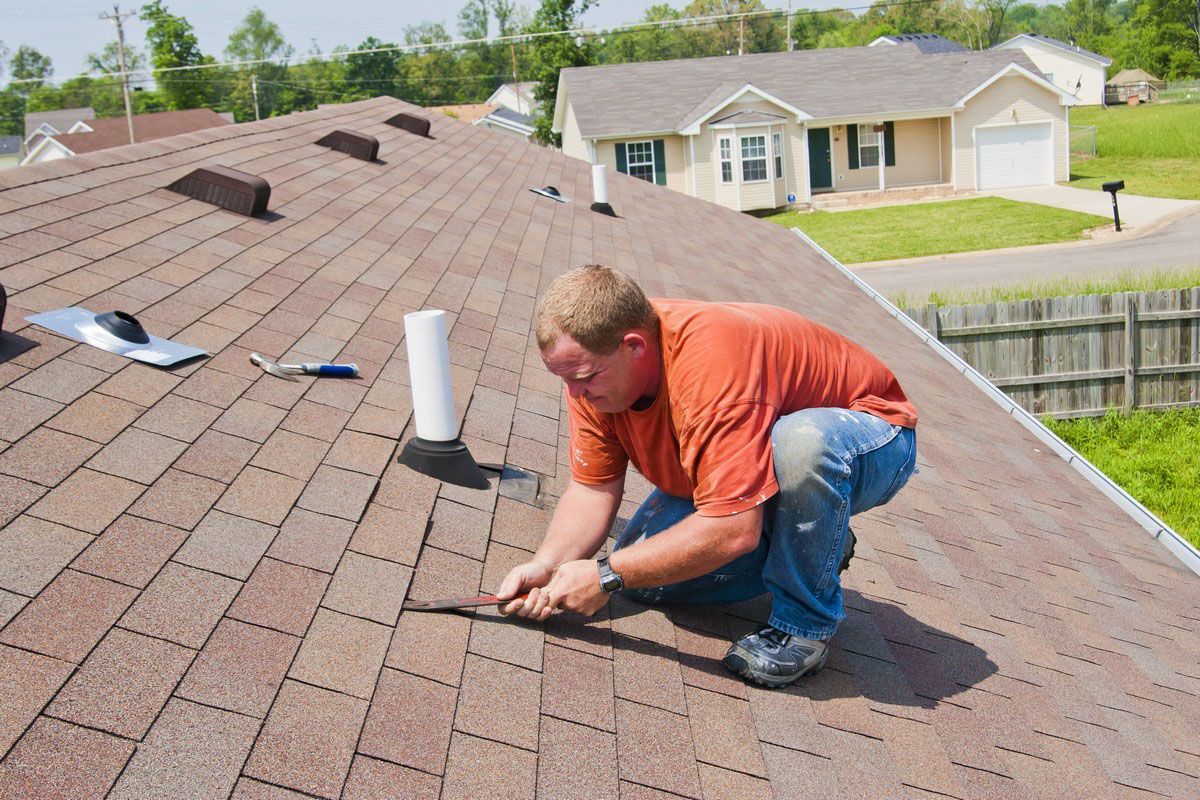
Navigating the complexities of home improvement projects requires a deep understanding of structural dynamics, local weather challenges, and building science. By partnering with qualified experts who understand the nuances of installation and maintenance, property owners can avoid costly repairs, improve energy performance, and preserve overall real estate value. Engaging experienced roofing contractors ensures that every aspect of the overhead framework is properly designed, installed, and monitored throughout its operational lifecycle.
Evaluating Properties of Overhead Building Materials
Selecting the ideal protective components for your house is pivotal, as it impacts structural durability, architectural aesthetics, and thermal efficiency. Certified roofing contractors have an in-depth understanding of various material properties, such as resistance to harsh weather elements, weight distribution, and fire ratings. They evaluate options like asphalt shingles, clay tiles, metal roofs, and more, tailoring the choice to your specific needs. For instance, they can explain how a metal roof offers longevity, potentially lasting up to 75 years, according to The Roofer's Guild. This knowledge ensures a well-informed decision to protect your home against external forces.
When these experts analyze construction components, they evaluate factors like tensile strength, thermal expansion coefficients, and long-term maintenance needs. These physical attributes directly influence how the structural cover performs under fluctuating environmental conditions over many years. By understanding the deep science behind modern materials, industry experts help property owners identify the absolute most resilient options available. Modern advances in manufacturing continuously introduce updated features that bolster resistance to UV degradation and moisture penetration. This meticulous approach guarantees proper structural support while extending the total operational life of the entire system.
Assessing Climate Considerations for Long-term Performance
Geographic location and local climate play major roles in determining which building solutions are appropriate for a property. Experienced specialists possess localized knowledge and field experience that guide them in recommending options designed to withstand region-specific weather patterns. In geographical areas prone to heavy snow accumulation or intense rainfall, smooth metallic installations or specialized synthetic materials are frequently selected for their water shedding capabilities. Conversely, in warm and sun-drenched regions, materials engineered with high thermal mass, such as clay or concrete tiles, help reflect solar radiation. By understanding regional microclimates, professionals ensure that your home remains comfortable and structurally sound.
Beyond basic weather protection, qualified installers evaluate how environmental factors impact long-term indoor climate control. They analyze insulation ratings, ventilation dynamics, and radiative heat transfer to maximize home energy efficiency. Experts also account for extreme weather anomalies, including hail hazards, high winds, and severe temperature drops, selecting protective layers that prevent premature failure. These comprehensive evaluations allow property owners to lower utility expenses and reduce ongoing repair demands. Aligning building components with environmental conditions creates a balanced home environment capable of weathering severe seasonal changes.
Analyzing Lifecycle Expenses and System Durability
A vital benefit of working with qualified professionals is receiving a comprehensive analysis of long-term operational costs and system longevity. Upfront costs alone should never dictate major structural decisions, as long-term maintenance expenses, energy usage, and expected lifespans impact total overall value. Industry experts perform thorough lifecycle cost evaluations, taking into account expected degradation rates, minor repair needs, and complete replacement intervals. This detailed financial analysis reveals how higher-quality selections often deliver superior financial returns over several decades. Providing clear financial visibility helps homeowners balance current budget boundaries with long-term investment targets.
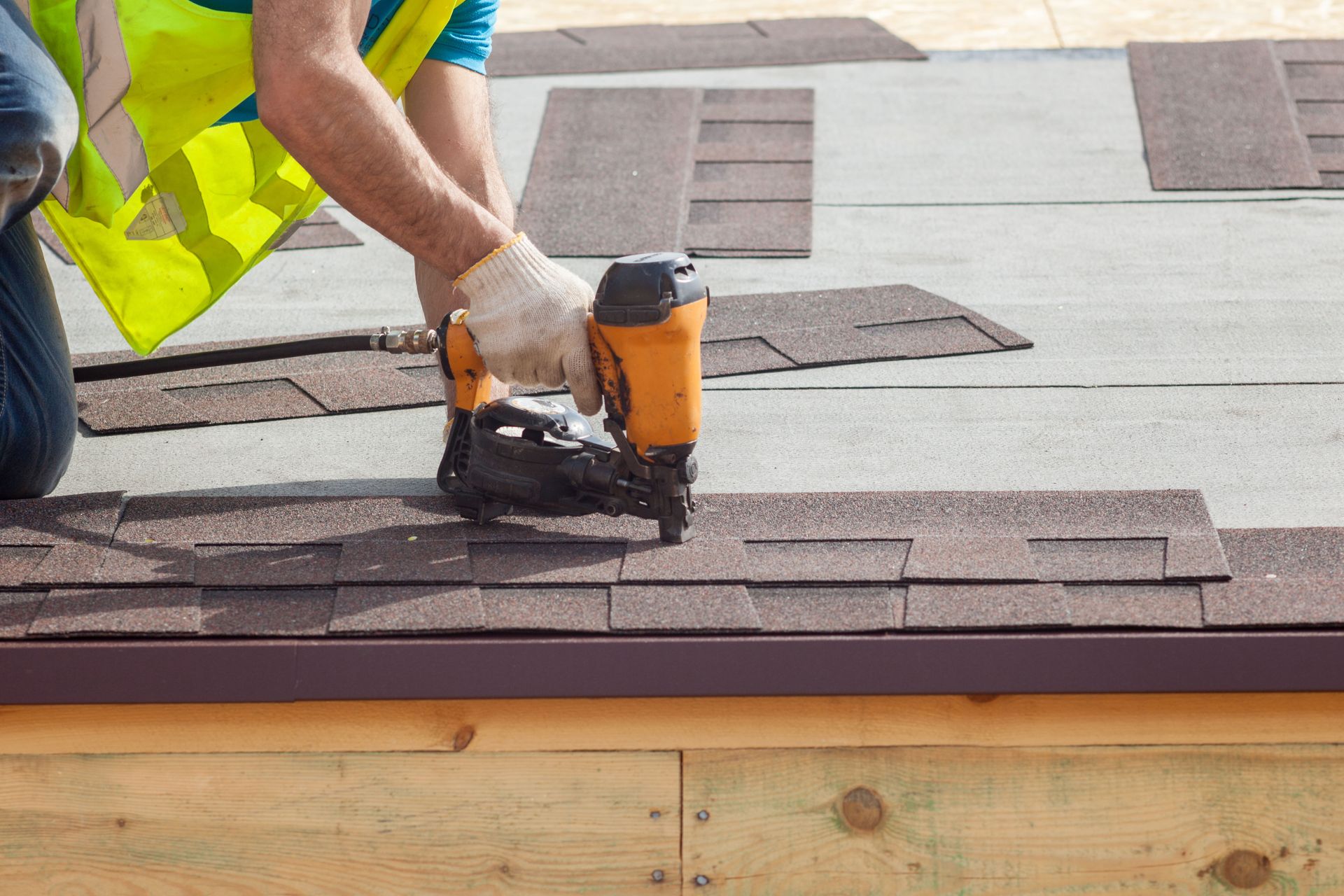
System durability relies as much on proper craft techniques as it does on high-grade manufacturing standards. When certified roofing contractors execute an installation, they apply proven techniques that optimize performance and minimize future failures. Proper alignment, secure fastening, and flawless sealing drastically reduce the likelihood of leaks and structural damage over time. High-quality work secures the building envelope against environmental stress while maximizing financial returns. Furthermore, these trade experts can help quantify potential utility savings, showing how modern energy-efficient upgrades directly lower monthly power costs.
Promoting Sustainability and Environmental Responsibility
Environmental sustainability has become a key priority in residential construction, and industry professionals are leading the movement toward greener building practices. Experienced roofing contractors recommend eco-friendly building solutions that feature lower carbon footprints, sustainable raw materials, and high recyclability. Utilizing recyclable components like steel or aluminum ensures that materials can be repurposed at the end of their functional lifespans rather than filling local landfills. Guiding clients toward sustainable solutions helps lower environmental impacts while supporting responsible natural resource management.
In addition to specifying eco-friendly options, experts evaluate how modern building designs enhance home energy performance. Reflective surface coatings, radiant barriers, and enhanced thermal insulation work together to reduce the urban heat island effect and curb household power consumption. Sustainability considerations also extend directly to project execution, where crew members focus on minimizing jobsite waste, recycling old teardown materials, and reducing logistical fuel use. Embracing renewable energy integration, such as direct solar panel mounting, allows property owners to generate clean electricity on-site while protecting the underlying building structure.
Balancing Aesthetics and Architectural Consistency
A newly installed surface layer must integrate smoothly into the existing architectural style of a residential property. Trade experts bring a refined aesthetic vision to every project, assisting homeowners in matching textures, profiles, and color schemes with the overall building footprint. A well-designed roof enhances general curb appeal and plays an important role in driving up property values. Industry professionals keep up with current architectural trends and innovative product lines to present tailored solutions that emphasize unique home design features. Balancing functional strength with visual beauty creates an appealing overall appearance.
Achieving true architectural harmony requires blending functional performance with traditional aesthetic lines. Skilled installers excel at preserving historical charm while introducing modern protective technology beneath the visual surface layer. Whether replicating classic slate patterns or matching region-specific visual elements, their attention to visual balance elevates the entire exterior landscape. This expert fusion of modern technology and classic design gives the property distinct visual character while delivering uncompromising defense against outdoor weather elements.
Guaranteeing Code Compliance and Structural Safety
Adhering strictly to municipal construction standards is essential for any major home renovation or structural repair initiative. Licensed roofing contractors remain thoroughly educated on national, state, and local building codes, including structural loading specifications, fire resistance guidelines, and wind uplift regulations. They navigate permit applications and official inspection requirements smoothly, ensuring that every project component aligns with active legal standards. Following established codes prevents costly legal disputes, protects insurance coverage, and provides long-term peace of mind.
Building safety mandates change constantly as manufacturing standards advance and climatic research yields new safety insights. Staying informed requires ongoing professional training, active participation in industry associations, and continuous field education. A professional team's dedication to code compliance guarantees that every layer of the assembly, from structural decking up to outer shingles, meets rigorous engineering parameters. This strict attention to standard protocols prevents structural failures, preserves home values, and creates safe living environments for property owners.
Protecting your home from weather damage requires dedicated effort, quality materials, and expert craftsmanship. Working with experienced
roofing contractors ensures that your building remains secure, energy-efficient, and structurally sound for decades to come. When you are ready to upgrade your protective structure, contact the expert team at Feria Construction LLC to schedule your initial consultation and secure your property investment today.