June 5, 2026
Your home’s siding serves as one of the most important protective systems on the property. While many homeowners focus primarily on the appearance of siding, its purpose extends far beyond curb appeal. Siding protects the structure from moisture, temperature fluctuations, pests, wind, and long-term environmental wear. Over time, however, even high-quality materials begin to deteriorate due to age and continuous exposure to harsh outdoor conditions.
When siding starts to fail, problems can quickly spread into the walls, insulation, and structural framework of the home. Many property owners overlook early warning signs and continue making temporary repairs without realizing larger issues are developing beneath the surface. Experienced siding contractors often encourage homeowners to pay close attention to visible damage, rising utility costs, and recurring maintenance problems. Recognizing these signs early can help homeowners avoid more expensive structural repairs while improving both comfort and property value.
1. Recognizing Visible Exterior Damage
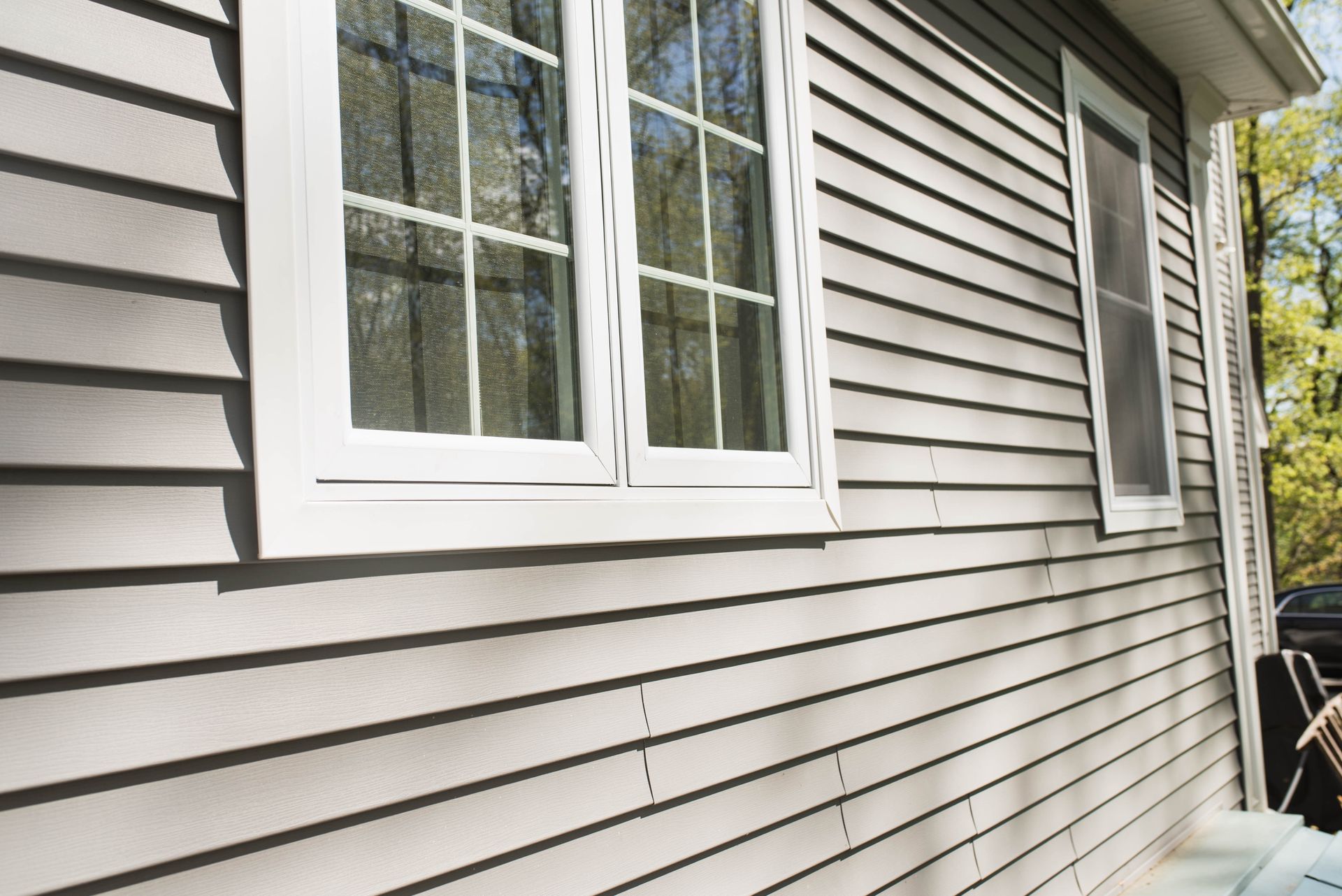
Visible exterior damage is one of the clearest signs that siding replacement may be necessary. Cracks, holes, loose panels, and warped sections commonly appear after years of exposure to rain, sunlight, wind, and seasonal temperature changes. Even small openings in the siding can allow moisture to penetrate behind the walls and begin damaging insulation or wood framing materials. Warping and buckling often indicate trapped moisture or weakened structural support beneath the surface.
As the siding loses stability, it may also create gaps that invite insects and rodents into hidden areas of the home. Mold, mildew, and fungus growth on exterior surfaces are additional warning signs that moisture is no longer being properly repelled. Fading colors and discoloration may seem cosmetic at first, but they frequently indicate that the protective surface coating has deteriorated significantly. Professional siding contractors can inspect these visible symptoms and determine whether repairs or full replacement will provide the most reliable long-term protection.
2. Monitoring Increasing Energy Bills
Damaged siding can contribute heavily to reduced energy efficiency throughout the home. When siding materials weaken or separate, they allow outside air to enter while conditioned indoor air escapes through hidden gaps. This air leakage forces heating and cooling systems to work harder to maintain stable indoor temperatures throughout the year. Homeowners often notice rising utility costs without immediately realizing deteriorating siding may be contributing to the problem. Drafty rooms, inconsistent temperatures, and excessive HVAC usage are all common indicators of compromised insulation performance.
Older siding materials may also lack the energy-efficient features available in newer modern products. According to Fixr, updated siding installations can improve insulation performance, enhance energy efficiency, strengthen weather protection, and contribute positively to resale value. Replacing outdated siding with newer insulated materials can significantly reduce long-term heating and cooling expenses while improving indoor comfort. Reliable siding contractors can recommend materials designed specifically to improve energy efficiency and help reduce monthly utility costs.
3. Identifying Frequent Repair Problems
Constant repair needs are another major indication that siding replacement may be the better long-term solution. Many homeowners repeatedly repaint, patch cracks, replace small sections, or reseal damaged areas without addressing widespread deterioration underneath. While temporary fixes may appear effective initially, they often fail to resolve the deeper structural problems causing the damage. Over time, these repeated maintenance expenses can become more costly than investing in a complete replacement.
Aging siding materials gradually lose their ability to resist moisture, maintain insulation, and protect against environmental exposure. Homeowners may notice that new cracks or warping appear shortly after previous repairs have already been completed. This cycle of ongoing maintenance can become frustrating and financially draining over time. Experienced siding contractors can evaluate the overall condition of the system and help homeowners compare repair expenses against the long-term value of full replacement.
4. Detecting Moisture and Water Intrusion
Moisture intrusion is one of the most serious problems associated with deteriorating siding. When siding begins failing, rainwater and humidity can seep behind the exterior surface and spread throughout the wall system. Water stains, peeling paint, bubbling drywall, mold growth, and warped interior surfaces often indicate that moisture has already penetrated the home’s protective barrier. Once trapped inside the walls, moisture can weaken framing materials, damage insulation, and create dangerous mold conditions that affect indoor air quality.
Hidden water damage may continue spreading for months before becoming visible inside the property. Homeowners sometimes focus on repairing interior symptoms without realizing the exterior siding is the root cause of the issue. According to Fixr, replacing worn siding can help improve moisture resistance and reduce the risk of long-term structural deterioration. Professional siding contractors can inspect vulnerable areas and identify where water infiltration is occurring before the damage becomes even more extensive. Addressing moisture problems early helps protect the home’s structural stability and prevents costly future repairs.
5. Preventing Pest Infestation Issues
Compromised siding can create ideal entry points for insects, rodents, and other pests seeking shelter inside the home. Small cracks, loose panels, and softened materials provide easy access to hidden wall cavities where pests can nest and multiply undetected. Termites, carpenter ants, rodents, and other invasive pests often target older siding materials that have already weakened from moisture exposure and aging. Once pests enter the walls, they can damage insulation, chew wiring, and weaken wooden support structures over time.
Homeowners may notice scratching sounds, droppings, nesting materials, or increased insect activity near windows and exterior walls. Unfortunately, many pest problems continue growing until significant structural damage has already occurred. Replacing damaged siding eliminates many of the vulnerable entry points that pests rely on to invade the home. Skilled siding contractors can recommend durable modern materials that resist both moisture damage and pest activity more effectively than aging siding systems.
6. Evaluating Outdated Appearance and Curb Appeal
The condition of your siding significantly influences the overall appearance and market value of your property. Faded colors, chipped paint, warped panels, and visible deterioration can make even a structurally sound home appear neglected and outdated. As siding ages, it often loses its ability to maintain a clean and polished appearance despite regular cleaning and maintenance. Modern siding materials now offer improved durability, expanded color selections, and enhanced resistance to fading caused by UV exposure.
Homeowners can choose from a wide range of textures, finishes, and styles designed to complement different architectural designs and personal preferences. Updating old siding can instantly improve curb appeal while giving the property a fresher and more modern appearance. According to Fixr, siding replacement projects often deliver strong returns on investment because they increase both exterior appeal and overall resale value. Experienced siding contractors can help homeowners select materials that balance long-term durability with visual enhancement to maximize both protection and aesthetic value.
Replacing aging or damaged siding is one of the most important investments homeowners can make to protect their property. Visible cracks, rising energy costs, repeated repairs, moisture intrusion, pest activity, outdated appearance, and structural concerns are all strong indicators that replacement may be necessary. Modern siding materials provide stronger weather resistance, improved insulation, enhanced curb appeal, and better long-term durability compared to older systems.
According to Fixr, newer siding installations can significantly improve energy performance while increasing resale value up to 90%. Working with experienced siding contractors ensures that siding problems are properly diagnosed and resolved before more serious structural damage develops. Feria Construction LLC provides dependable siding replacement solutions designed to improve the beauty, efficiency, and protection of residential properties. Contact Feria Construction LLC today to schedule a professional inspection and discover how upgraded siding can add lasting value, energy savings, and protection to your home for years to come.